February 20, 2026
The nursery is not just a space to sleep; it is a haven that supports the healthy development and well-being of your little one. Creating a welcoming and functional nursery is essential for both you and your baby's comfort. The right furniture choices can make this task easier and more enjoyable. By understanding the role and benefits of each key piece of nursery furniture, parents can create a nurturing and organized environment. In this article, we will explore several practical furniture pieces that can transform your baby's bedroom into a safe, comfortable, and efficient space.
1. Crib: The Heart of the Nursery
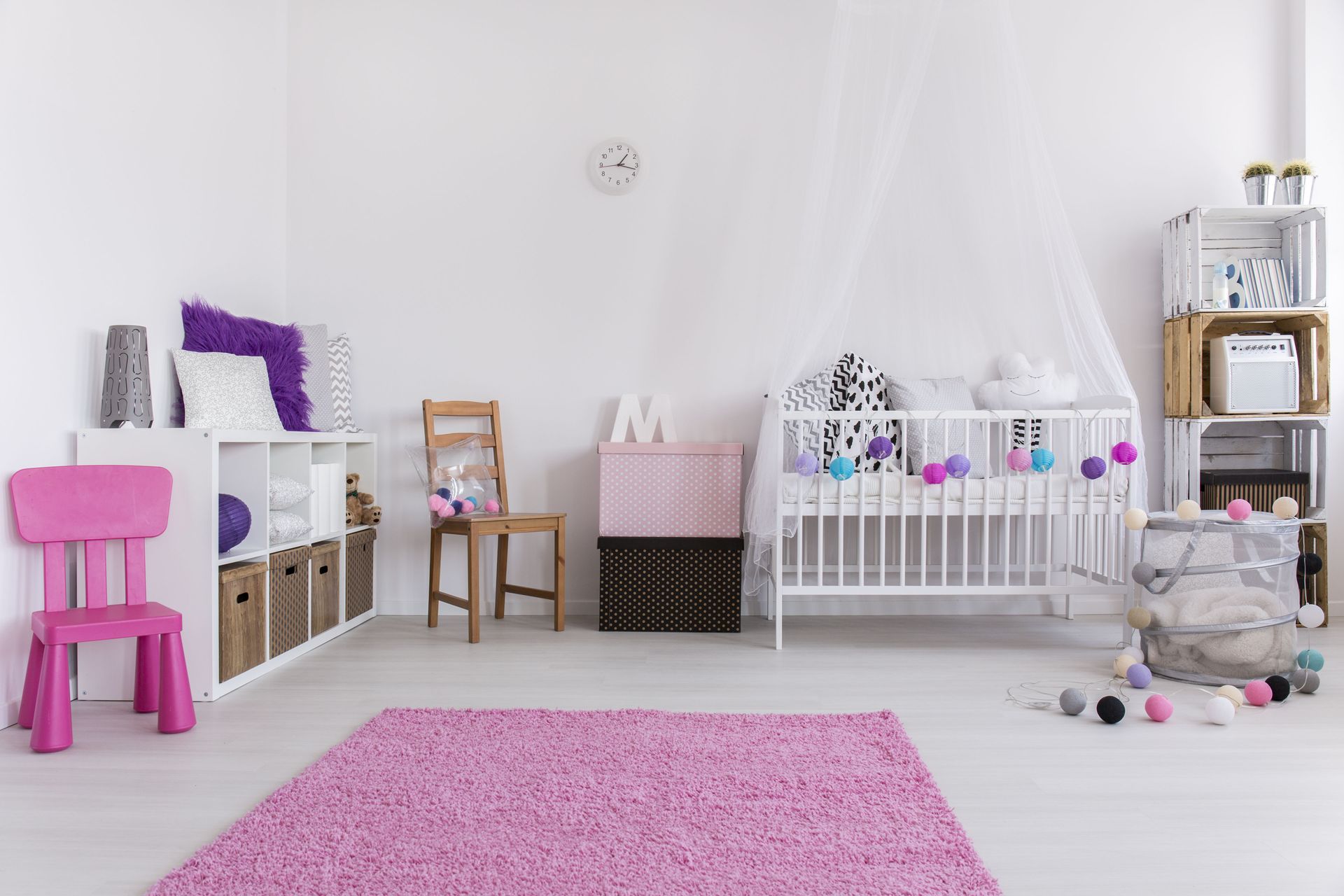
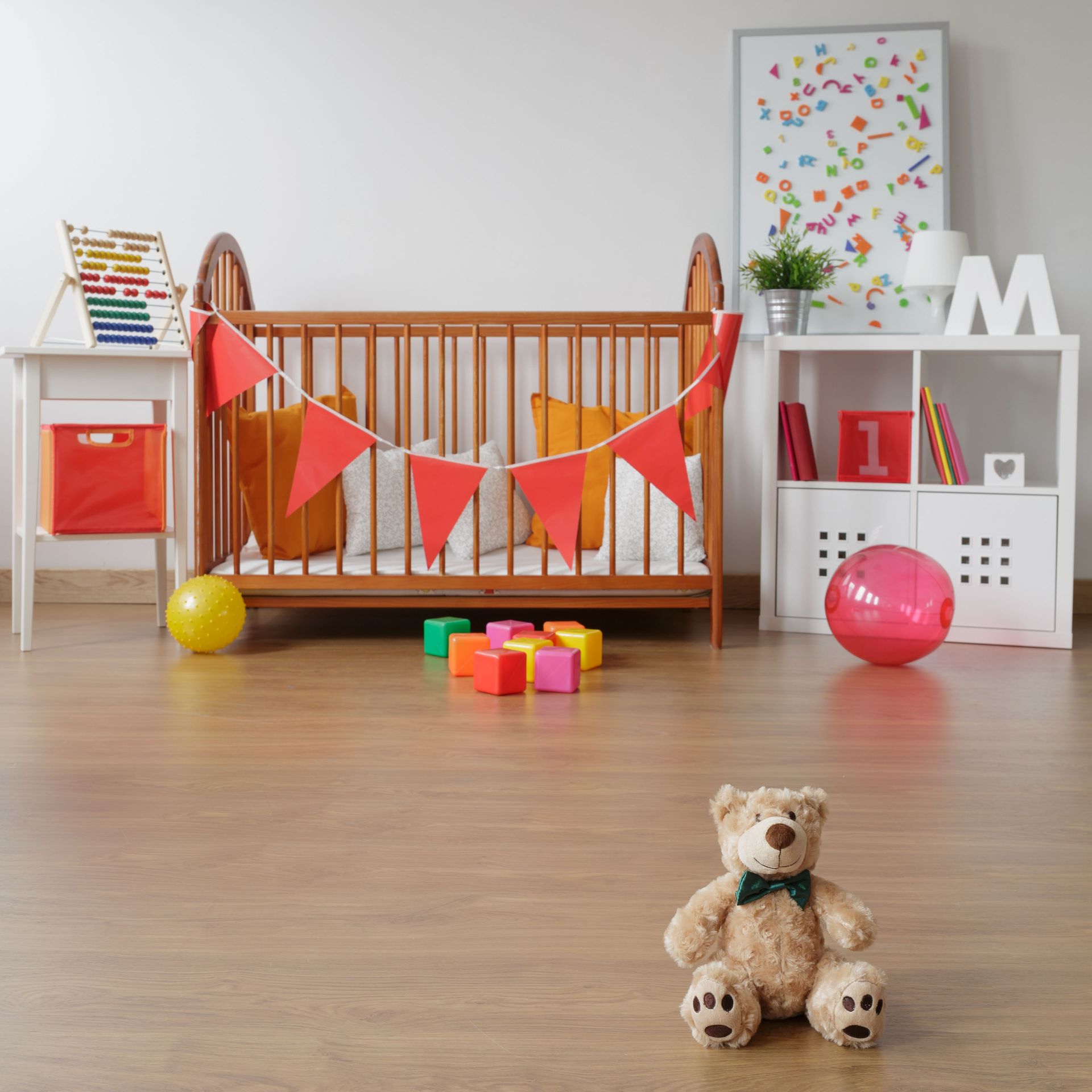
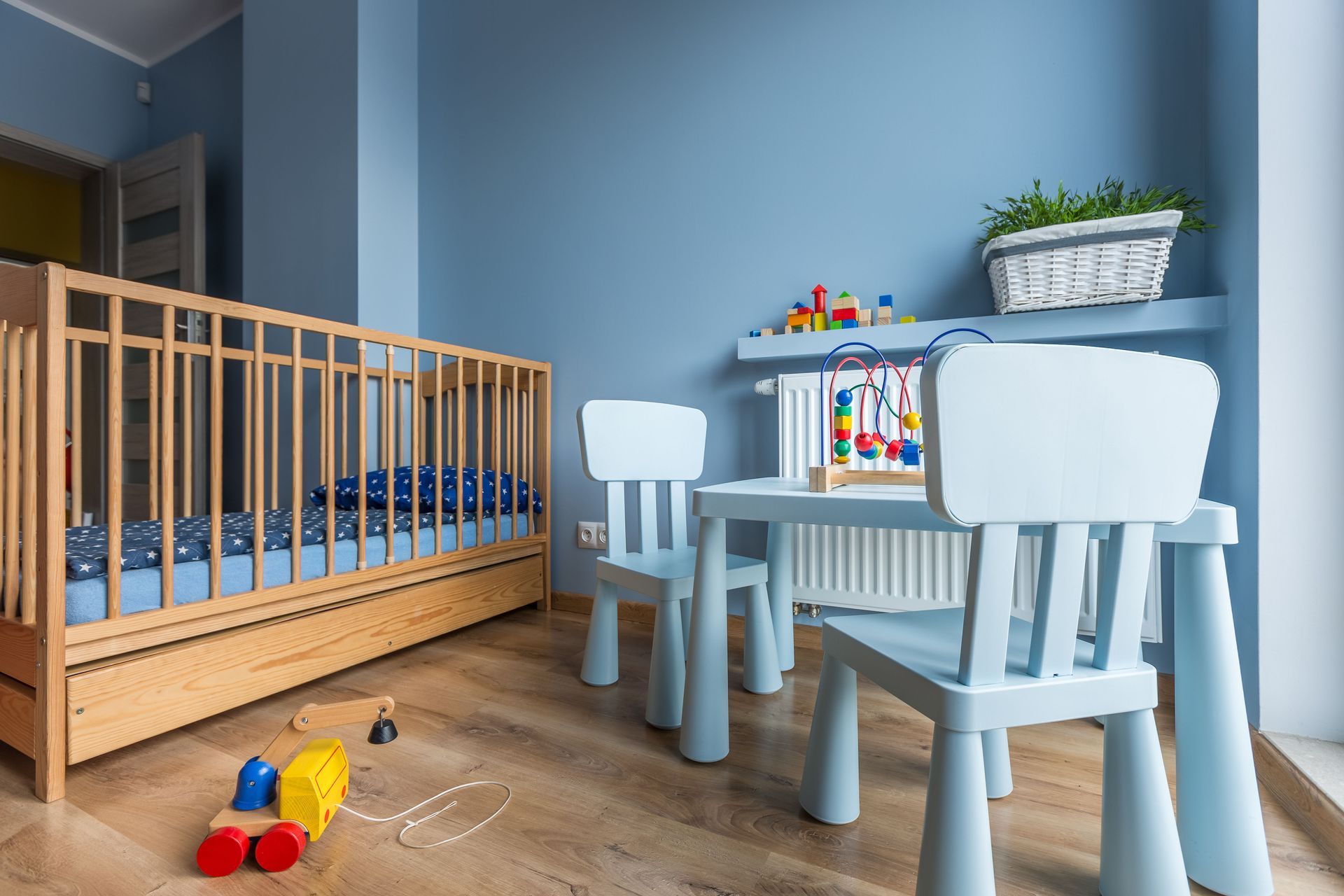
The crib is often considered the centerpiece of nursery furniture, resonating as a symbol of security and comfort. When choosing the right crib, size matters; it should fit comfortably within the space while allowing room for other essential furniture. The design and style of the crib should complement your nursery's theme, reflecting personal tastes while prioritizing safety. Safety features, such as fixed sides, properly spaced bars, and a sturdy frame, are critical in preventing accidents and ensuring peace of mind for parents. Convertible cribs offer a versatile, long-term solution that can adapt as your child grows, transitioning from a crib to a toddler bed and beyond.
The importance of a good crib mattress cannot be overstated, as it supports your baby's body and promotes restful sleep. Options range from foam to innerspring, each with varying degrees of firmness and support to suit different needs. Bedding should be minimal and safe, focusing on fitted sheets that fit snugly and avoid loose items that could pose a suffocation risk. Positioning the crib in a place where it gets natural light while being away from windows and cords enhances both functionality and safety. This placement not only maximizes space but also creates a comforting, well-organized environment conducive to rest and play.
According to Scholastic, at 18 months, your child will start to have the patience for "real" story-time, allowing you to train them to listen carefully to the sound of language, which can take place during calm bedtime routines. Such routines can be encouraged by the positioning of the crib in relation to a cozy reading nook. The strategic setup of a lamp or soft lighting near the crib can facilitate this soothing ritual. Additionally, the crib's location should allow for easy monitoring and access, ensuring that parents can swiftly respond to their child's needs during both day and night.
2. Changing Table: Convenience and Safety
The changing table is a crucial component for efficiently managing daily baby care tasks. Exploring different styles and designs can help you find a table that complements your nursery's aesthetic while providing essential functionality. Standard designs often include a flat surface for changing, with barriers or straps to secure the baby in place. Some tables come with added features like adjustable heights and removable toppers, offering versatility as your needs evolve. Additionally, considering the table's dimensions in relation to the room's layout helps in maximizing the available space effectively.
Storage solutions integrated within the changing table can significantly enhance its utility, keeping all diaper-changing essentials within arm's reach. Shelves, baskets, and drawers provide ample space for organizing diapers, wipes, creams, and additional clothing, streamlining the changing process. These solutions not only promote efficiency but also contribute to maintaining a tidy appearance in the nursery. Space-saving designs, like tables that double as dressers or include removable trays, offer practicality by integrating multiple functions into a single piece of nursery furniture. Thoughtful organization eases the demands of parenthood, making daily tasks more manageable.
Ensuring the structural stability of the changing table is paramount for safety during use. Opt for sturdy materials and craftsmanship, and ensure proper assembly to prevent mishaps. Its placement within the nursery should facilitate ease of access while providing a safe environment, free from obstructions that could hinder movement. Dual-purpose changing tables that can convert into additional storage units or integrate with other pieces of nursery furniture add value by offering extended use. Consider placing the table near other key items, such as the crib, to minimize interruptions during transitions between activities.
3. Rocking Chair or Glider: Comfort for You and the Baby
For parents, a rocking chair or glider provides a serene spot for bonding, feeding, and soothing the baby. When choosing a chair, consider factors such as size, comfort, and style to suit both your needs and the nursery's decor. A chair that provides adequate back support and a gentle rocking or gliding motion can enhance the overall nurturing environment. Upholstery materials should be carefully selected not only for aesthetic reasons but also for durability and ease of maintenance, as the chair will often be subject to spills and stains. The right chair promotes relaxation, making feeding times or bedtime routines more pleasant and effective.
Adding a footstool can enhance comfort by allowing parents to maintain a relaxed posture during prolonged periods of sitting, significantly aiding during feeding or storytelling sessions. Footstools designed to complement rocking chairs often feature similar design aesthetics and functional benefits, promoting overall comfort and relaxation. Ergonomically designed rocking chairs are particularly beneficial for nursing mothers, reducing the risk of strain or discomfort during feeding sessions. These chairs support both relaxation and the natural cradling motion that soothes infants. Positioning the chair in a location with a pleasant view or within easy reach of essential accessories further enhances its usability and charm.
Placement is critical for maximizing the relaxation benefits of your rocking chair or glider. Position it in a quiet corner of the room, ideally near a window to take advantage of natural light and fresh air. This setup not only offers a peaceful reading spot for story-time, which is increasingly important as children grow, but also facilitates secure supervision and interaction. Keeping a small side table nearby to store books and feeding essentials adds to the chair's functionality. The aim is to create an inviting atmosphere that supports moments of closeness and calm amidst the busyness of baby care.
4. Storage Solutions: Keep the Nursery Organized
An organized nursery not only looks pleasing but also enhances daily efficiency and ease. There are various types of storage furniture available to cater to different needs and styles. From dressers and wardrobes to shelves and bins, each option provides a way to neatly store and access baby essentials. The key is to choose pieces that offer ample space without overwhelming the room's layout. Opting for nursery furniture that combines open and closed storage solutions can help display decorative items while concealing clutter, striking the perfect balance between style and order.
Organizing clothing and diapers efficiently requires thoughtful arrangement in designated areas that are easy to access. Drawer dividers and labeled bins can help categorize items, ensuring that everything from socks to shirts has its place. This approach allows quick, stress-free access to any needed items, reducing frustration during busy mornings or nighttime routines. Making use of vertical space with wall-mounted shelves or pegboards further maximizes available storage, freeing up floor space for movement and play. Such arrangements promote independence as they gradually allow little ones to reach for items themselves.
Toy storage options that double as decor pieces can add a playful element to the nursery while keeping newly accumulated treasures neatly tucked away. Consider nursery furniture that incorporates design elements like colorful bins or attractive baskets, adding visual interest to the room's composition. Safety is paramount when selecting storage units; choose sturdy pieces that can be firmly anchored to the wall to prevent tipping hazards. Incorporating storage solutions that are interesting and safe encourages exploratory play while teaching concepts of organization from a young age. These habits contribute to a nurturing, inviting space that is both practical and visually engaging.
Designing your baby's bedroom is a joyful venture that balances functionality with style. By selecting practical yet charming furniture pieces, you create a nurturing environment for your baby to grow and thrive. Consider these key pieces as essential elements in crafting a space that caters to comfort, safety, and personal taste. Thoughtful design emphasizes both the convenience of daily tasks and the inclusion of decorative elements that inspire creativity and security. The right combination of nursery furniture and accessories transforms the nursery into more than a room, creating a foundation for treasured memories and developmental milestones. For more information on practical nursery furniture, reach out to Baby Boudoir!